Surface structure & reactivity
How defects, alloy composition, and nanoscale interfaces create or suppress active sites.
LT-STM · AFM
The Baber Lab at James Madison University uses scanning tunneling microscopy and ultrahigh-vacuum surface science to reveal reaction pathways, active sites, and the molecular behavior that drives heterogeneous catalysis.
We simplify complex catalytic materials into well-defined model surfaces—making it possible to observe how individual atoms, defects, interfaces, and adsorbates shape chemical reactions.
How defects, alloy composition, and nanoscale interfaces create or suppress active sites.
LT-STM · AFMMolecular organization and reaction pathways on copper, silver, gold, and mixed surfaces.
UHV · AESAlcohol conversion and selective oxidation as probes of catalytic selectivity and mechanism.
TPD · TPRS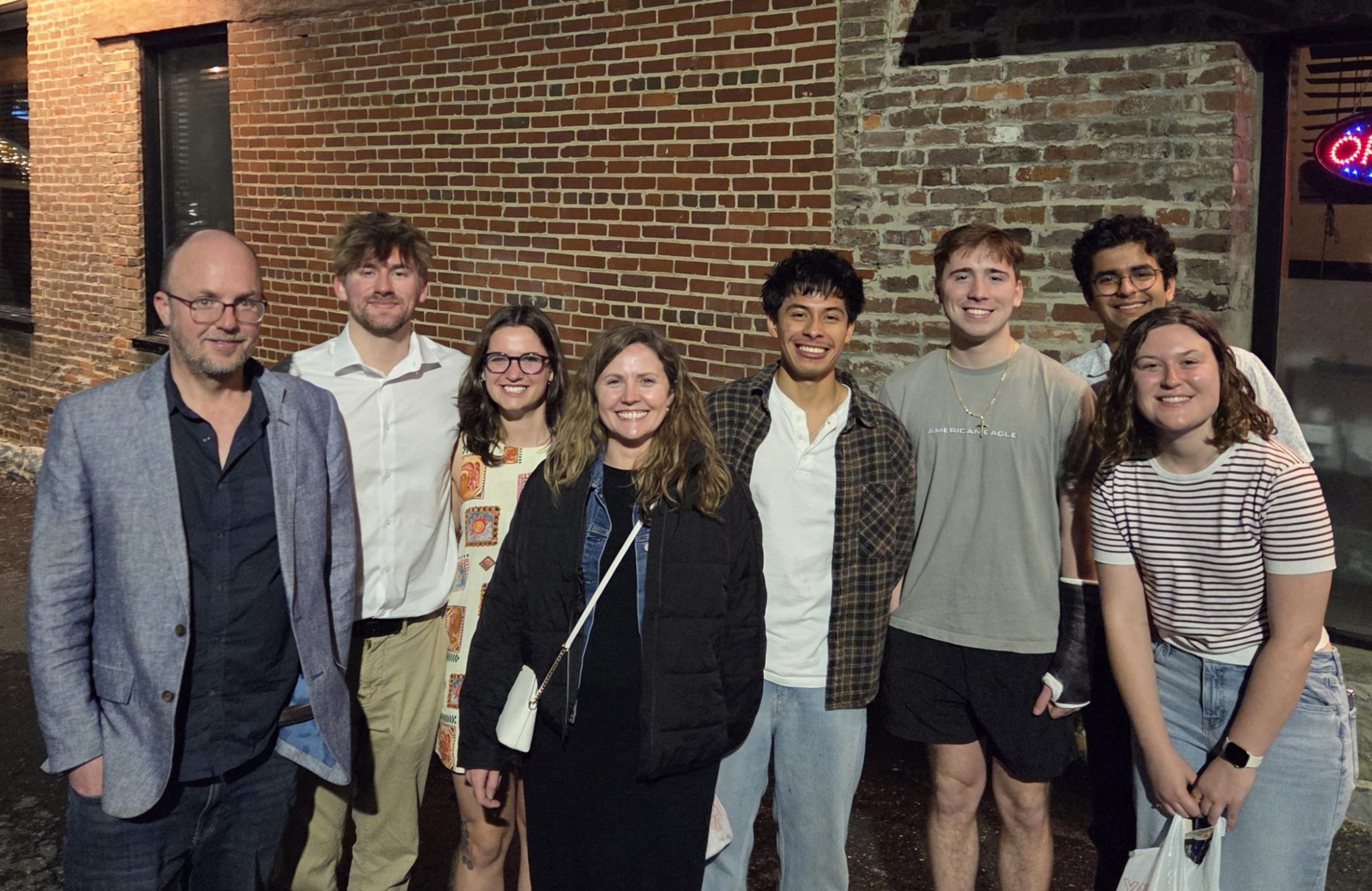
Students from different majors and perspectives work together to master sophisticated instrumentation, present results, and contribute to peer-reviewed research.
Meet the groupUndergraduates contribute directly to the lab’s scientific questions and research community.

Class of 2027
Chemistry

Class of 2027
Chemistry

Class of 2027
Chemistry
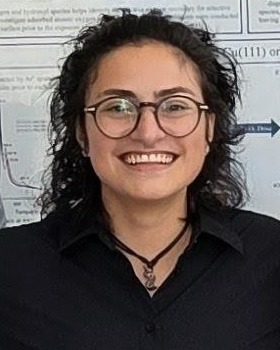
Class of 2027
Chemistry

Class of 2028
Chemistry
Research milestones, presentations, publications, and celebrations from the Baber Lab.
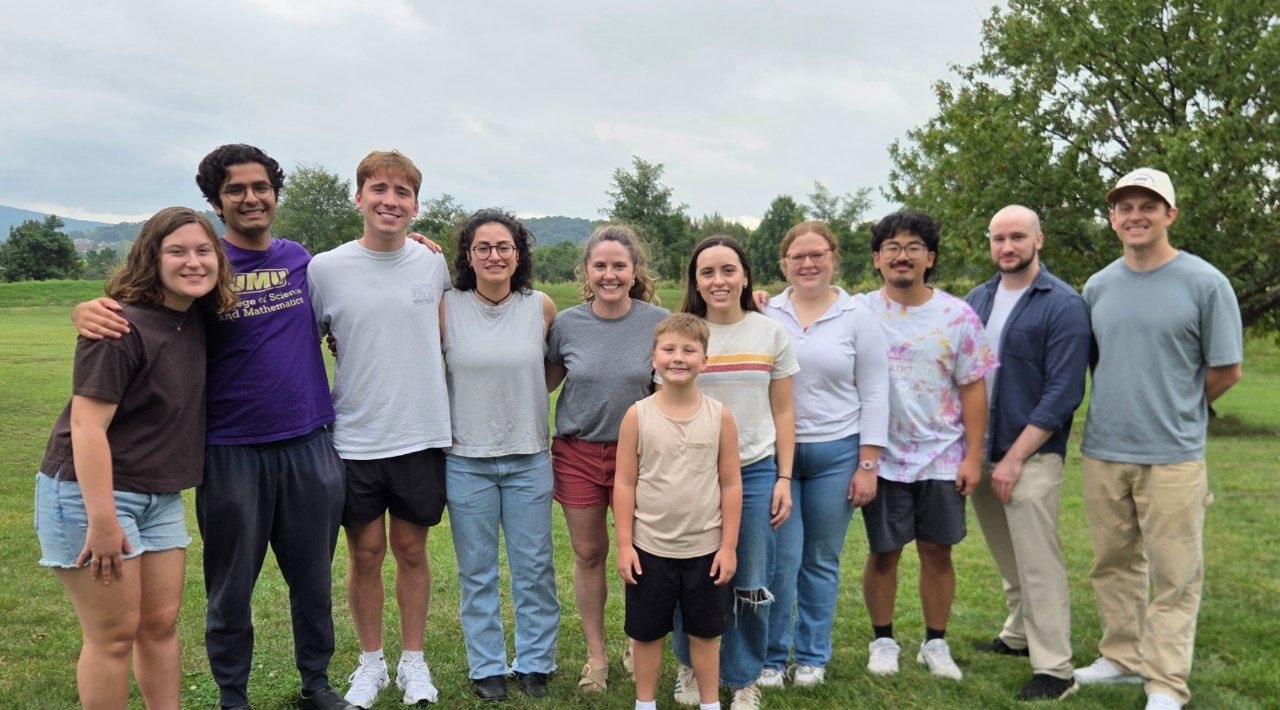
Current and local alumni members of the Baber Lab reunited in Harrisonburg during David Boyle's return to JMU as a Jubilee Series Seminar speaker.
Read update →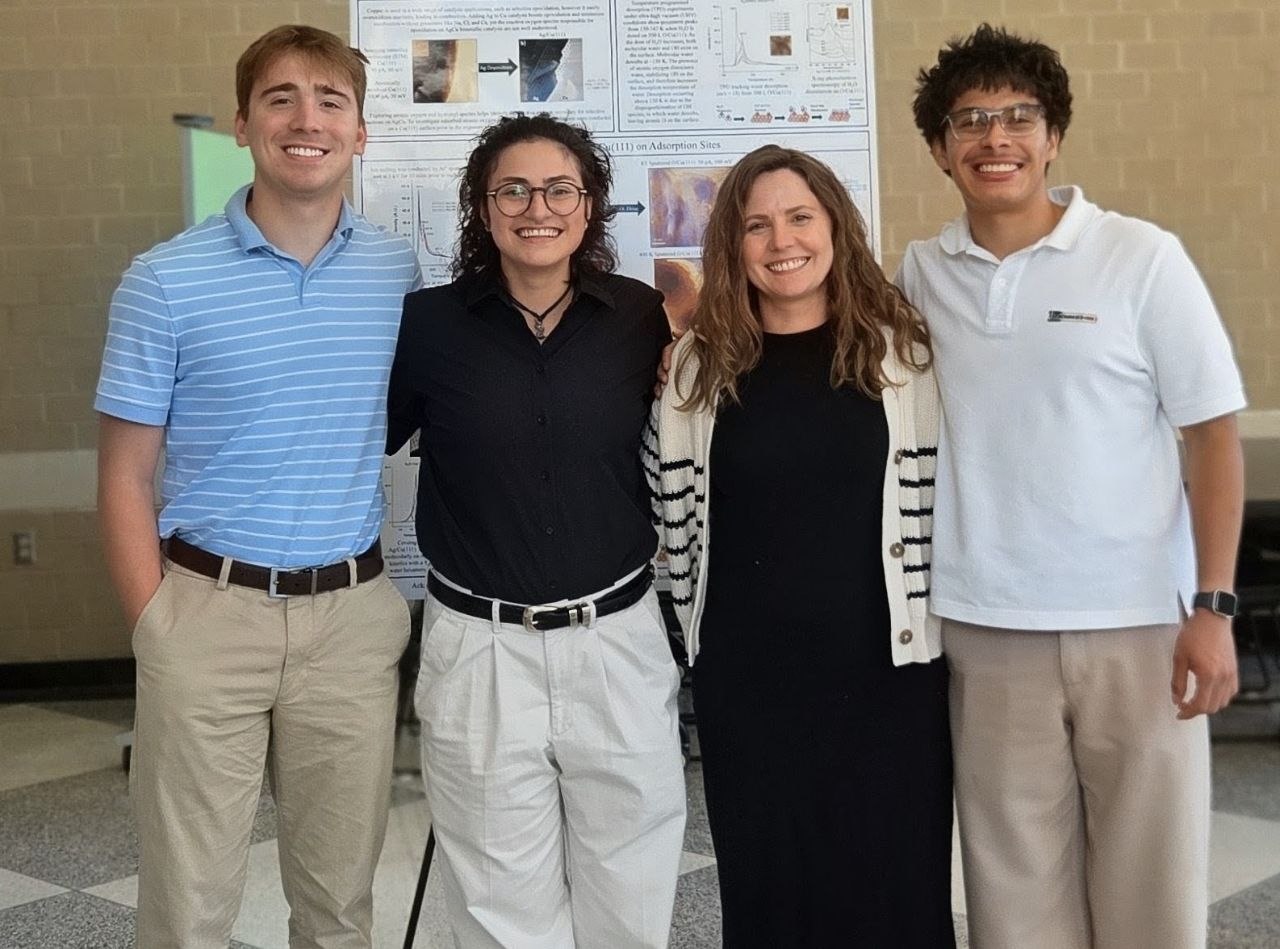
The Baber Lab celebrated the completion of a productive 2026 summer REU and another season of undergraduate surface science research.
Read update →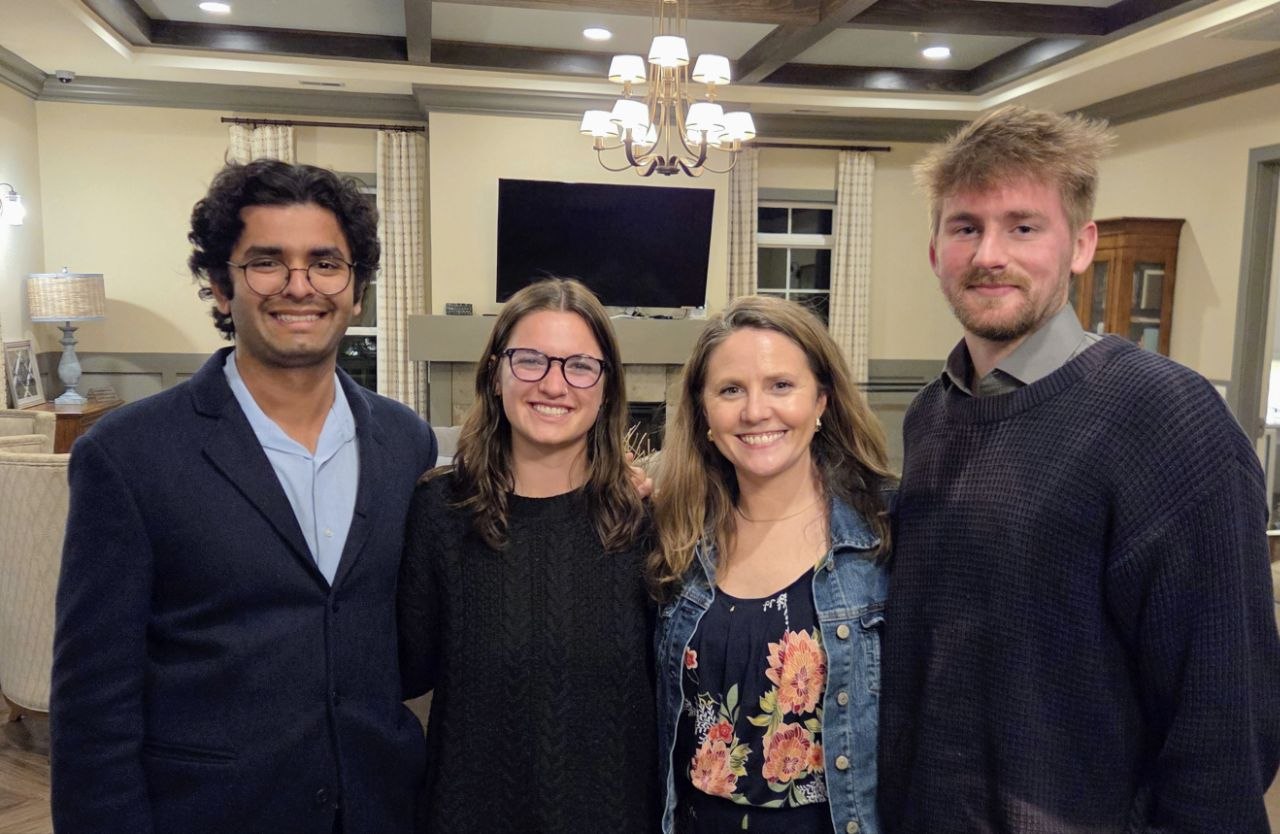
The Baber Lab celebrated Jaimin Ashra, James Whitted, and Kate Weinstock as they graduated with JMU’s Class of 2026.
Read update →Research Description